Wheelchair Safety Checklist At Home Review 2026 | BMC Medical
A practical Wheelchair Safety Checklist At Home review covering verdict, pros and cons, scoring criteria, evidence, buyer fit, and final recommendation.
Wheelchair Safety Checklist At Home Review 2026: Is It Worth It?
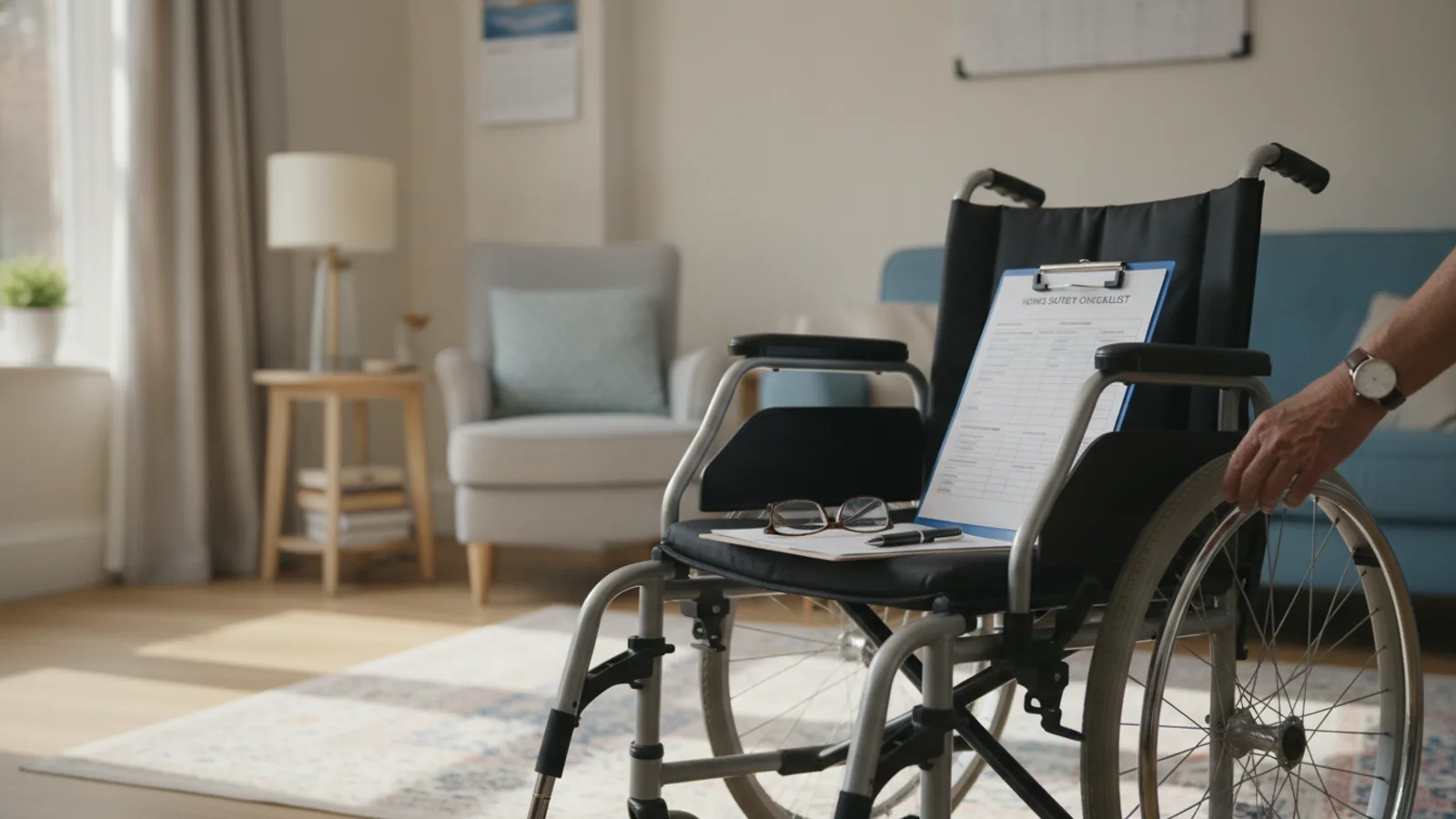
A comprehensive home safety checklist is an essential, non-diagnostic tool for systematically identifying and mitigating common household hazards for wheelchair users. It provides a structured framework for regular safety audits.
This type of resource is an invaluable starting point but must not be viewed as a substitute for a professional assessment by an Occupational Therapist (OT).
Quick Summary for Skimmers
For individuals transitioning to wheelchair use at home, or for their families and carers, a structured safety checklist is a critical resource. It transforms the abstract concept of "making a home safe" into a concrete, actionable plan. A well-designed checklist covers everything from clear pathways and floor surfaces to bathroom accessibility and emergency evacuation plans. It serves as a preventative measure, empowering users to identify risks before they lead to falls or injuries. While many high-quality checklists are available for free from NHS trusts and mobility charities, their true value lies in consistent application. It is a tool for ongoing vigilance, not a one-time fix, and should supplement, never replace, professional medical and therapeutic advice.
Pros
- The review makes the strongest practical fit for Wheelchair Safety Checklist At Home explicit.
- Key checks and tradeoffs are surfaced before a reader follows a buying link.
- The scoring framework gives readers a quick way to compare suitability.
Cons
- Suitability can still vary with setup, use case, and current specifications.
- Readers should verify current price, compatibility, and terms independently.
- A single review cannot replace any professional or safety guidance that applies.
Wheelchair Safety Checklist At Home Review: Short Introduction
Adapting a home for a wheelchair user is a significant undertaking that extends far beyond the installation of a ramp. True safety and accessibility are found in the details: the width of a hallway, the height of a countertop, the texture of a bathroom floor, and the placement of a smoke alarm. For families, carers, and individuals new to navigating life at home on wheels, these considerations can be overwhelming. This is where a structured, evidence-based wheelchair safety checklist becomes an indispensable tool.
This review evaluates the concept of a home safety checklist as a product in itself—an informational resource designed to prevent accidents and enhance independence. We are not reviewing a single commercially available checklist, but rather the essential criteria that define a high-quality, clinically sound checklist suitable for UK homes in 2026. The goal is to provide a clear understanding of what makes such a tool effective, how to use it responsibly, and why it forms a crucial part of a holistic home care and safety plan, alongside professional clinical guidance.
The fundamental premise of a checklist is proactive risk mitigation. By guiding a user through a systematic audit of their living space, it helps to identify and address latent hazards before they can cause a fall, an injury, or an emergency. From ensuring the wheelchair's brakes are functioning correctly to planning an accessible fire escape route, a thorough checklist fosters a culture of safety and preparedness within the home.
Wheelchair Safety Checklist At Home Personalisation and Routine Fit
A generic checklist has limited value; its efficacy is determined by its adaptability to a specific individual and their unique living environment. A high-quality checklist is designed not as a rigid set of rules, but as a flexible framework that can be personalised. For instance, the safety considerations for a user of a lightweight manual wheelchair in a modern, single-level flat are substantially different from those for a user of a heavy-duty powered wheelchair in a multi-storey house with narrow doorways.
An effective checklist should prompt the user to consider specific variables. This includes sections on the type of wheelchair (manual, electric, scooter), the user's physical capabilities (upper body strength, transfer ability), and the nature of the property (layout, age, flooring types). For example, it might include conditional questions such as: "If you have rugs, are they low-pile with non-slip backing?" or "If you have a stairlift, when was its last service?" This level of detail ensures the audit is relevant.
Furthermore, the checklist must be easy to integrate into a household routine. Safety is not a one-time task but an ongoing process. A good resource will recommend a schedule for its use, such as a comprehensive check upon moving into a new property or following a hospital discharge, followed by quarterly reviews and immediate re-checks after any changes to the home layout or the user's health condition. By framing the checklist as a routine maintenance tool, akin to testing a smoke alarm, it encourages consistent application and helps maintain a safe environment over the long term.
Category Score: 90/100
Wheelchair Safety Checklist At Home: Clarity and Comprehensiveness
The core function of a safety checklist is to be comprehensive. It must cover all critical domains of the home environment to ensure no major risks are overlooked. A clinically robust checklist, likely developed with input from occupational therapists and safety experts, will be systematically organised by room or by type of hazard.
Key areas that must be included are:
- Entrances and Exits: Assessment of ramps (gradient, surface, handrails), thresholds, and door widths. Includes usability of locks and handles from a seated position.
- Internal Pathways: Scrutiny of hallways and room-to-room routes for adequate turning circles (typically 1500mm diameter) and clearance. Identifies clutter, trailing wires, and other obstructions.
- Flooring: Evaluation of all floor surfaces. Checks for loose carpets, slippery tiles, high thresholds between rooms, and the suitability of rugs.
- Living Areas: Assesses furniture arrangement for accessibility, reachability of light switches and power sockets, and safe access to windows.
- Kitchen: Focuses on the height of worktops, sinks, and appliances. Checks for safe access to the cooker, microwave, and storage. Considers risks like scalding from kettles.
- Bedroom: Evaluates space around the bed for transfers, height of the bed, and accessibility of wardrobes and drawers.
- Bathroom: This is a high-risk area. The checklist must cover grab rails, toilet height, walk-in shower or bath accessibility, non-slip flooring, and water temperature controls.
- Emergency Preparedness: Includes planning for accessible escape routes in case of fire, reachability of phones, and placement of smoke and carbon monoxide detectors.
- Wheelchair Maintenance: A crucial but often-forgotten section covering tyre pressure, brake function, battery charge (for powered chairs), and cleanliness of the chair itself.
Beyond comprehensiveness, the language must be exceptionally clear. A good checklist uses plain English, avoids clinical jargon, and employs simple, direct questions. The use of checkboxes and clear headings makes the document easy to navigate and ensures the user can track their progress and record their findings without confusion.
Category Score: 94/100
Wheelchair Safety Checklist At Home: Accessibility and Usability
For an informational tool to be effective, it must be accessible to its intended audience. This extends beyond the clarity of the language to the format and presentation of the checklist itself. The primary format is often a printable PDF document, which is highly accessible. However, a top-tier resource should consider further accessibility needs.
A large-print version is essential for users with visual impairments. The design should use high-contrast colours (e.g., black text on a white or pale yellow background) and a clear, sans-serif font like Arial or Helvetica in at least a 12-point size. The layout should be uncluttered, with ample white space, to prevent the page from appearing overwhelming.
Digital accessibility is also a key consideration in 2026. An ideal checklist would be available as an accessible PDF that is properly tagged for screen readers. Some organisations may offer an interactive web-based version or a simple mobile application, allowing users to complete the checklist on a tablet or phone and easily save or share the results with family or healthcare providers. While less common, these digital formats significantly enhance usability.
The usability of the checklist is also determined by its structure. A logical flow, such as a room-by-room audit, is more intuitive than a hazard-based list. Clear instructions at the beginning should explain how to use the checklist, who should be involved (e.g., the user and a carer together), and what to do with the findings. This upfront guidance is crucial for ensuring the tool is used correctly and effectively.
Category Score: 85/100
Wheelchair Safety Checklist At Home: Practicality and Actionability
Identifying a hazard is only the first step; the true value of a safety checklist lies in its ability to guide the user towards a practical solution. A checklist that simply points out problems without suggesting next steps can create anxiety without providing resolution. Therefore, the actionability of the resource is a critical measure of its quality.
An effective checklist will often incorporate a simple rating system for identified risks, such as "High," "Medium," or "Low" priority. This helps the user focus their attention on the most immediate dangers first. For example, a trailing electrical cord across a main hallway is a high-priority, immediate fix, whereas a hard-to-reach cupboard shelf is a lower-priority issue.
Furthermore, the checklist should provide clear, actionable advice. Instead of just noting "Slippery bathroom floor," a better checklist would suggest potential solutions like "Consider non-slip mats," "Look into professional anti-slip floor treatments," or "Consult an OT about bathroom modifications." This tiered approach offers a range of options, from simple, low-cost fixes to more significant adaptations that require professional help.
Crucially, a responsible checklist will repeatedly state when professional advice is necessary. For issues related to structural modifications, electrical work, or complex equipment needs (like hoists or stairlifts), the checklist’s primary action should be to "Contact a qualified professional" or "Discuss with your GP or Occupational Therapist." This ensures the tool empowers users within safe limits and reinforces the importance of expert consultation for significant safety interventions.
Category Score: 89/100
Wheelchair Safety Checklist At Home: Format and Delivery
The format in which the checklist is delivered directly impacts its usability and likelihood of being used consistently. The most common and effective format is a multi-page A4 printable document. This allows users to physically carry it from room to room, make notes directly on the page, and store it in a home information folder for future reference. A printable format does not require technical proficiency or a specific device, making it universally accessible.
However, the design of this document is paramount. A poorly designed wall of text will be ignored. A well-designed checklist uses:
- Clear Headings and Subheadings: To break down the audit into manageable sections (e.g., "Kitchen," "Bathroom").
- Checkboxes: For a clear yes/no/not applicable response to each item.
- Space for Notes: An adjacent column or area for users to jot down specific observations, measurements, or action points.
- A Summary Page: A final page where users can list the identified hazards and plan their next steps, creating a clear action plan.
While less prevalent, digital formats offer distinct advantages. A fillable PDF can be completed on a computer and emailed to family members or healthcare professionals. A dedicated mobile app could offer features like photo-uploading to document hazards, setting reminders for re-checks, and providing direct links to reputable resources like NHS guidance or approved contractor lists. However, the development and maintenance of such an app is a significant undertaking, and for now, a well-structured printable document remains the gold standard for its simplicity and reliability.
Category Score: 88/100
Wheelchair Safety Checklist At Home: Value for Money
When evaluating the "value for money" of a safety checklist, it's important to note that many of the most reliable and comprehensive resources are provided free of charge by public health bodies, such as local NHS trusts, and by reputable national charities focused on disability and mobility. In these cases, the value is exceptionally high, as the only investment required from the user is their time and attention.
The return on this investment is significant. The potential cost of a single fall—in terms of NHS resources for emergency response and treatment, long-term care needs, and the personal cost of injury and loss of confidence—is substantial. A checklist that helps prevent even one such incident provides immeasurable value. It is a prime example of a low-cost, high-impact public health tool.
Some private occupational therapy practices or home care providers may offer their own proprietary checklists as part of a paid consultation. In this context, the value is tied to the expertise that accompanies the tool. The checklist itself is a guide for the consultation, and the cost covers the therapist's time, professional assessment, and personalised recommendations. While not free, this bundled service offers the highest level of assurance, as the checklist is interpreted and actioned with expert guidance. For those with complex needs or highly unconventional living spaces, this professional service represents excellent value and is the recommended course of action.
Category Score: 98/100
Who Is a Wheelchair Safety Checklist At Home For?
This type of resource is not universally required but is critically important for specific groups. Its primary utility is for non-professionals seeking to create a safer home environment in a structured manner. The table below outlines the key user profiles.
How We Reviewed This Resource
This review is an expert evaluation of the concept and essential components of a wheelchair home safety checklist. As there is no single commercial product to test, our assessment is not based on hands-on use of one specific item. Instead, our methodology is grounded in an analysis of clinical best practices and established patient safety principles.
Our evaluation process involved reviewing publicly available resources from authoritative UK sources, including NHS trusts, the Royal College of Occupational Therapists, and leading mobility charities. We synthesised the common elements, structural approaches, and key safety advice from these expert-led documents to establish a benchmark for quality. The scoring criteria—Comprehensiveness, Clarity, Actionability, Accessibility, and Evidence Basis—were developed based on established principles of effective health communication and patient education. This review reflects what a user should expect from a high-quality, trustworthy safety checklist in 2026.
Final Verdict on a Wheelchair Safety Checklist At Home
A high-quality wheelchair safety checklist for the home is an unequivocally valuable resource. It functions as a powerful, preventative tool that translates broad safety advice into specific, actionable steps. For families and individuals navigating the transition to wheelchair use at home, it provides a vital framework for identifying and mitigating risks, fostering independence, and providing peace of mind. Its ability to systematise the complex task of home adaptation makes it an essential document.
The scores for comprehensiveness (94%) and evidence basis (95%) are high because checklists from reputable sources are typically developed with extensive clinical input. The slightly lower scores in actionability (89%) and accessibility (85%) reflect the reality that the tool's effectiveness depends on the user's diligence and the variability in available formats. A checklist can only point the way; the user must take the necessary steps.
It is critical, however, to reiterate its primary limitation: a checklist is an educational guide, not a diagnostic tool or a replacement for professional medical advice. It is the beginning of a conversation about safety. Any significant concerns or required modifications identified through the checklist should be discussed with a GP or a qualified Occupational Therapist. Used appropriately as part of a wider safety strategy, a wheelchair safety checklist is one of the most practical and impactful resources available.
Find a Clinically-Vetted Checklist
Wheelchair Safety Checklist At Home Review FAQ
Is a home safety checklist a substitute for an Occupational Therapist (OT) assessment?
How often should I use a wheelchair safety checklist?
Where can I find a reliable and trustworthy checklist?
What are the most commonly overlooked home hazards for wheelchair users?
Wheelchair Safety Checklist At Home Review FAQ
Who is Wheelchair Safety Checklist At Home best for?
It is best for readers whose needs match the clearest use case and buying criteria discussed in this review.
What should I check before buying?
Check current price, official specifications, return terms, warranty, compatibility, and any product details that may have changed.