How To Clean A Nebuliser Mask | BMC Medical
A practical step-by-step guide to how to clean a nebuliser mask, including preparation, instructions, common issues, tips, and next steps.
How To Clean A Nebuliser Mask
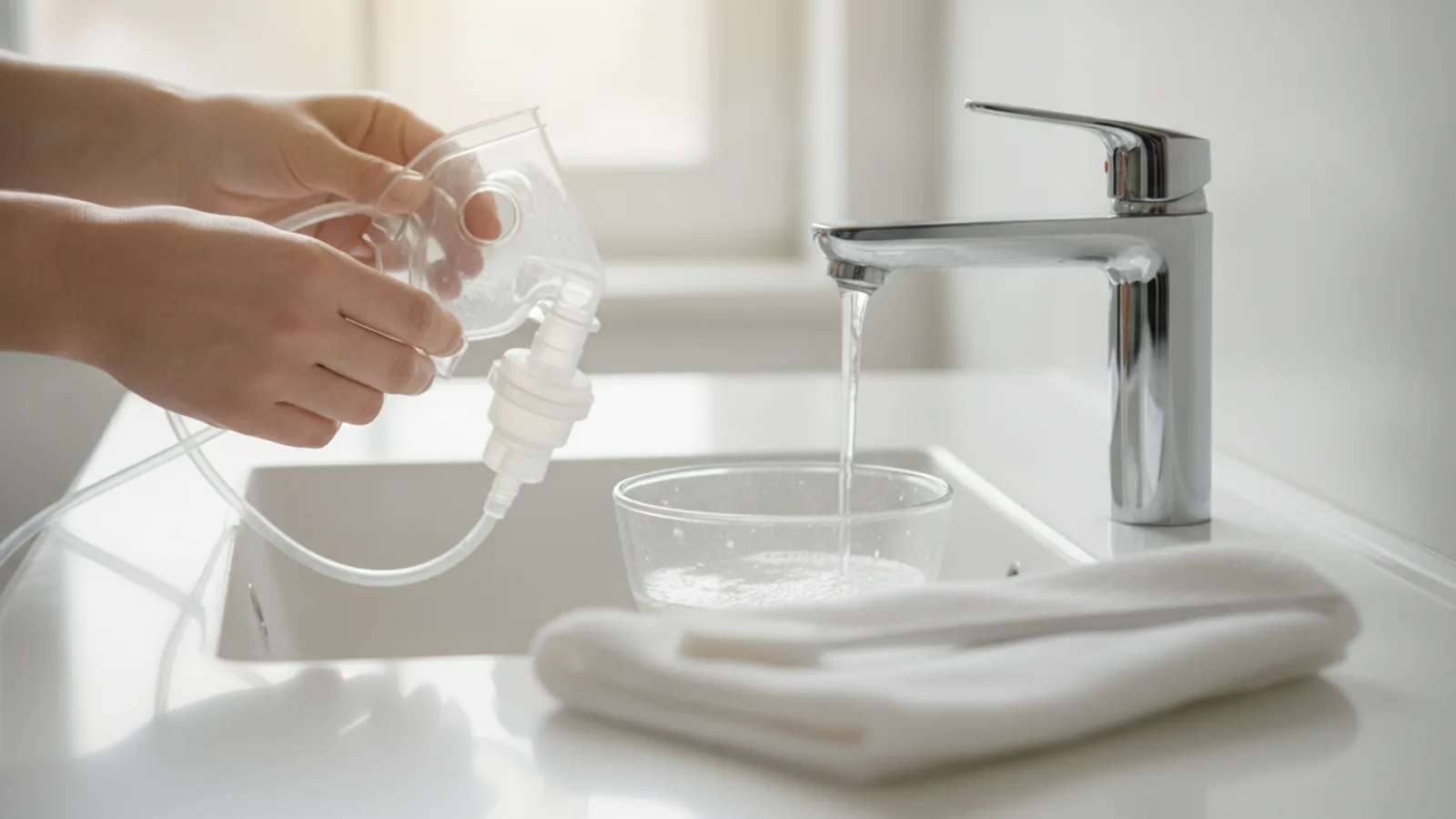
This guide explains how to approach how to clean a nebuliser mask, including the preparation, practical steps, common mistakes, and final checks that help you finish with confidence.
Before You Start
Step-by-Step Instructions
We have divided the cleaning process into two distinct routines: a quick clean to be performed after every treatment, and a more thorough disinfection to be done once a week.
Quick Reference
Common Problems When You Clean a Nebuliser Mask
Even with careful cleaning, you might encounter some common issues. Here’s how to troubleshoot them.
Problem: A white, chalky film remains on the mask after drying.
This is most likely due to mineral deposits left behind from hard tap water. To fix this, perform your weekly disinfection using the vinegar solution method. The acetic acid in the vinegar is excellent at breaking down these mineral deposits. To prevent it in the future, consider using distilled water for the final rinse.
Problem: The nebuliser seems to produce less mist than usual.
This is often a sign of a blockage. The most common culprit is the tiny jet hole in the medicine cup. Medication residue may have hardened inside it. Disassemble the cup and re-soak it, paying close attention to that area. Gently swish it in the water. Never poke the jet hole with a pin or any sharp object, as this can permanently damage it and alter the particle size of the medication mist.
Problem: The mask or other parts have become yellow or discoloured.
Discolouration can happen over time due to exposure to medication and light. While it may be cosmetic, it can also be a sign that the plastic is degrading. If the part is also becoming brittle or has developed any cracks, it is no longer safe to use. You must replace it immediately according to your manufacturer's schedule.
Advanced Tips for a Clean Nebuliser Mask
Go beyond the basics to ensure the highest level of hygiene and device longevity.
Establish a "Clean Zone"
Dedicate a specific small tray or area on your counter exclusively for drying and storing your nebuliser parts. This helps prevent cross-contamination from food preparation surfaces, dirty dishes, or general household dust. This is particularly important in busy households.
Follow a Strict Replacement Schedule
Cleaning is essential, but it cannot make parts last forever. Masks, tubing, and medicine cups wear out. Over time, plastic can develop microscopic cracks that harbour bacteria. Your device's user manual will specify a replacement schedule (e.g., every 3-6 months). Adhering to this is a critical part of your treatment safety and effectiveness.
Clean the Compressor Unit
The parts that touch medication are the priority, but the compressor unit needs attention too. Regularly wipe down the exterior of the machine with a clean, damp cloth to remove dust. Most importantly, check and change the compressor's air filter as recommended by the manufacturer. A clogged, dirty filter can reduce the machine's performance and introduce particulates into the air stream.
How To Clean A Nebuliser Mask FAQ
Can I put my nebuliser mask in the dishwasher?
In most cases, no. The high heat and harsh detergents in a dishwasher can warp, degrade, or damage the soft plastic of the mask and the precise components of the medicine cup. Only do this if your device's instruction manual explicitly states that the parts are top-rack dishwasher safe.
Is it safe to use bleach to clean my nebuliser?
Using bleach is generally not recommended unless specified by your doctor or the device manufacturer. It is a harsh chemical that can damage the nebuliser parts and, if not rinsed away perfectly, can be dangerous to inhale. Stick to milder, approved disinfectants like soap or vinegar.
How do I know if my nebuliser parts are truly dry?
Hold the parts up to a light and look for any signs of condensation or visible water droplets, especially in the small crevices of the medicine cup. If you see any moisture, it needs more time to dry. Assembling a nebuliser while it is still damp can trap moisture and promote germ growth.
What should I do if my nebuliser mask becomes cracked or feels stiff?
You must replace it immediately. Any damage, such as cracks, splits, or hardening of the plastic, can compromise the seal of the mask against your face, leading to medication leakage. More seriously, cracks can be a place for bacteria to hide, making them impossible to clean properly. Do not attempt to repair a damaged part; always replace it with a new one from the manufacturer.