Compression Socks Safety Guide | BMC Medical
A practical step-by-step guide to compression socks safety guide, including preparation, instructions, common issues, tips, and next steps.
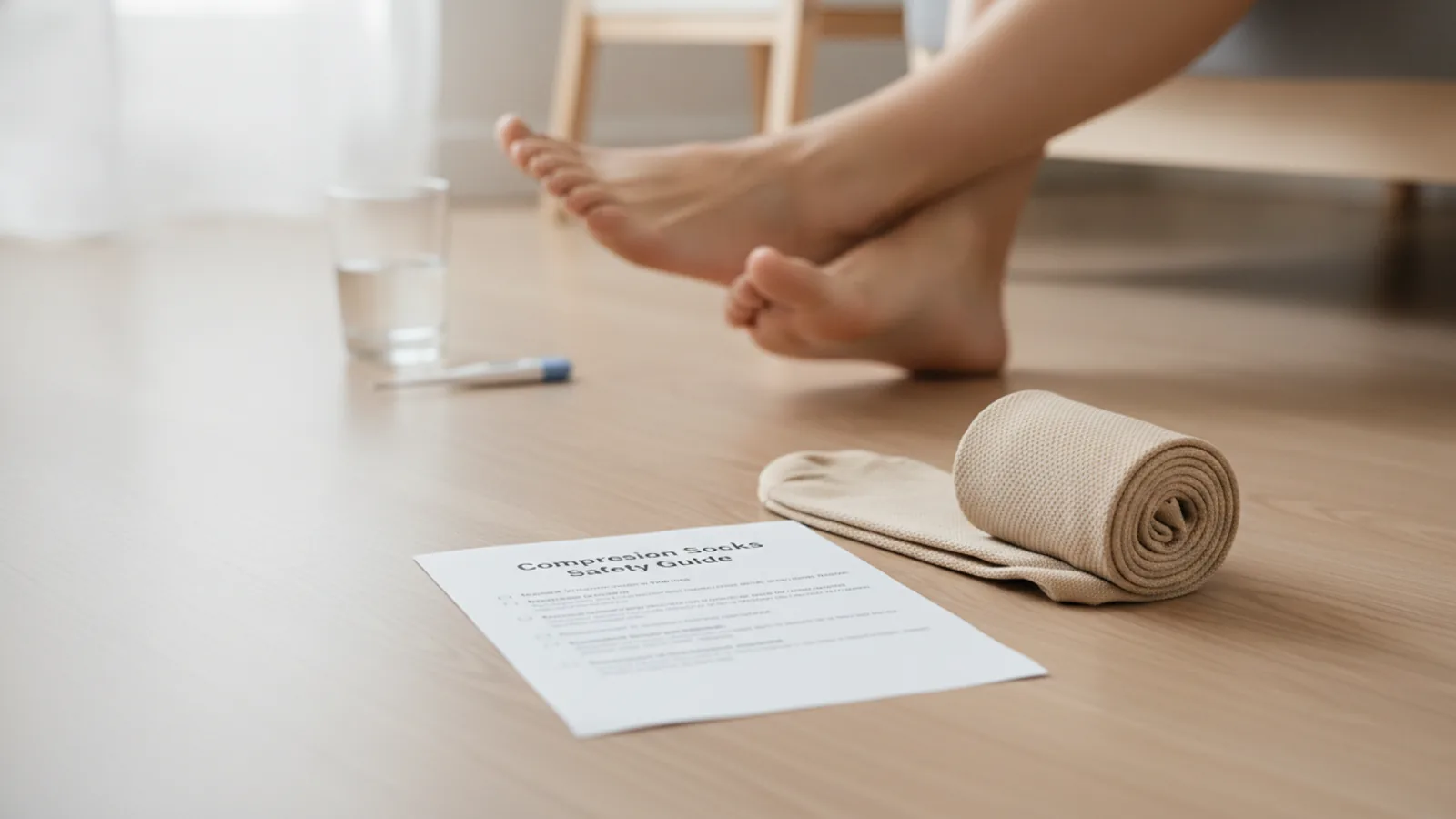
Compression Socks Safety Guide
This guide provides essential safety information for anyone considering or currently using compression socks for medical or general wellness purposes. It covers how to get the right advice, choose the correct size and pressure, apply them properly, and monitor for potential issues. Following these steps helps ensure you receive the intended benefits of compression therapy—such as improved circulation and reduced swelling—without risking complications like skin damage or dangerously restricted blood flow. This information is for educational purposes and is not a substitute for a direct consultation with your healthcare professional.
Fast Answer
- Key Action: Consult a healthcare professional before use.
- Reason: To confirm they are safe for your specific health condition and to get a prescription for the correct size and compression level.
Before You Start
Proper preparation is the most critical part of using compression socks safely. Rushing this stage can lead to incorrect use, discomfort, or serious health risks. Take the time to gather what you need and perform essential safety checks.
What You Need
- Professional Medical Advice: A consultation with your GP, a practice nurse, or a specialist (like a vascular consultant) is non-negotiable for medical-grade compression.
- Accurate Leg Measurements: You will need precise measurements of your ankle and calf circumference, and the length of your lower leg.
- A Flexible Measuring Tape: A seamstress-style tape is best for accurately measuring your legs.
- The Compression Socks: Ensure they are the specific pressure level (measured in mmHg) and size recommended by your healthcare provider.
- Skin Moisturiser: A gentle, non-greasy lotion to keep skin healthy, applied when the socks are off (e.g., overnight).
Step-by-Step Instructions
Follow this process methodically to ensure you are using your compression socks safely and effectively. Each step builds upon the last, from professional consultation to daily maintenance.
Seek Professional Medical Guidance
Before purchasing or wearing medical-grade compression socks, schedule an appointment with a healthcare professional. Your GP or a specialist needs to assess your circulation and overall health to determine if compression is appropriate for you. They will diagnose the underlying reason for your symptoms (like swelling or varicose veins) and prescribe the correct level of compression, measured in millimetres of mercury (mmHg).
There are different classes of compression, from light (under 15 mmHg) to very firm (40 mmHg and above). Using a level that is too high can be dangerous, while one that is too low will be ineffective. Do not self-prescribe medical-grade compression.
Measure Your Legs Accurately
Correct sizing is essential for both safety and effectiveness. Incorrectly sized socks can cut off circulation or provide no benefit. Measurements should be taken first thing in the morning, as this is when leg swelling (oedema) is at its minimum.
- Ankle: Measure the circumference at the narrowest part of your ankle, just above the ankle bone.
- Calf: Measure the circumference at the widest part of your calf.
- Length: For knee-high socks, sit with your knee bent at a 90-degree angle and measure the distance from the floor to the bend of your knee.
Write these measurements down. You will need them to compare against the manufacturer's sizing chart.
Select the Correct Size and Pressure
Using your measurements and the pressure level prescribed by your doctor, consult the sizing chart for the brand of compression socks you are purchasing. Each brand has its own unique chart, so never assume you are the same size across different brands. If your measurements fall between two sizes, it is best to contact the manufacturer or your pharmacist for advice. Choosing the wrong size is a common mistake that leads to most compression sock problems.
Apply the Socks Correctly
Putting compression socks on can be challenging, but a proper technique prevents wrinkles that can constrict blood flow. Do not treat them like normal socks.
- Sit in a stable chair where you can easily reach your feet.
- Reach into the sock and grab the heel. Pull the sock inside-out, stopping at the heel pocket.
- Slide your foot into the sock until your heel is snugly in the heel pocket.
- Smoothly pull and roll the rest of the sock up your leg. Do not bunch it up and pull.
- Run your hands over the entire sock to ensure it is smooth and free of any wrinkles or folds, especially behind the knee and at the ankle. The top band should not be folded over.
Follow a Recommended Wearing Schedule
Your healthcare provider will give you specific instructions on how long to wear your socks each day. The most common routine is to put them on in the morning upon waking and take them off just before bed. Unless specifically instructed by a doctor for a condition like a leg ulcer, you should not sleep in your compression socks. The pressure is designed for an upright, active body and can be inappropriate or unsafe when you are lying down for an extended period.
Perform Daily Skin and Circulation Checks
Every time you remove your socks, take a moment to inspect your skin and feet carefully. Look for:
- Redness or irritation: Especially around the top band or at the ankle.
- Indentations: Deep marks that don't fade quickly could indicate excessive pressure.
- Broken skin, blisters, or sores: These require immediate attention and you should stop wearing the socks until you have spoken to a nurse or doctor.
- Changes in skin colour: Check your toes. If they look pale, blue, or feel unusually cold, it could be a sign that your circulation is being restricted.
This daily check is your most important safety routine for preventing serious complications.
Maintain and Care for Your Socks
Proper care extends the life and effectiveness of your compression socks. The elastic fibres that provide the pressure will degrade over time, especially with improper washing.
- Wash regularly: Wash after each use if possible, or at least every other day, to remove skin oils and sweat which can break down the material.
- Use gentle methods: Hand wash in lukewarm water with a mild soap. Do not use bleach or fabric softeners.
- Dry carefully: Gently squeeze out excess water—do not wring or twist the socks. Lay them flat or hang them to air dry away from direct heat or sunlight. Never put them in a tumble dryer.
Recognise Warning Signs and Act Immediately
Your body will tell you if something is wrong. Do not ignore these signals. Remove your compression socks immediately and contact your GP or NHS 111 if you experience any of the following while wearing them:
- Sudden or worsening pain in your legs or feet.
- Numbness, tingling, or a "pins and needles" sensation.
- Your toes or feet turning pale, blue, or feeling cold to the touch.
- Any new rash, broken skin, or signs of infection.
These are urgent warning signs that the socks may be restricting your arterial blood flow or damaging your skin. Do not put them back on until you have been medically assessed.
Common Problems When You Use Compression Socks
Even with careful use, you may encounter minor issues. Here’s how to troubleshoot them safely.
- Problem: The socks keep rolling down.
Solution: This is almost always a sign of an incorrect fit or that the socks are old and have lost their elasticity. Re-measure your legs and check the size chart again. If the size is correct, they may need replacing. Some brands offer options with a silicone-dotted top band for better grip, but check for skin sensitivity. - Problem: My skin is dry and itchy under the socks.
Solution: This is very common. Do not apply lotion right before putting your socks on, as it can degrade the fabric. Instead, apply a generous amount of a quality moisturiser to your legs at night after you've taken the socks off. Also, ensure you are not allergic to the material (e.g., latex); many hypoallergenic, latex-free options are available. - Problem: The socks feel painful or uncomfortably tight.
Solution: Remove them immediately. The pressure may be too high for you, the size could be wrong, or they may be wrinkled. Check for any folds and try reapplying. If the pain persists, stop wearing them and consult the professional who recommended them. They should feel snug and supportive, but never painful. - Problem: They are too difficult to put on.
Solution: This is a primary reason people stop using them. First, ensure your technique is correct (the inside-out method described above). Second, consider a donning aid. These simple metal or fabric devices make it significantly easier to slide the socks on without straining. Your local pharmacy or mobility shop can demonstrate them.
Advanced Tips for Compression Socks Safety
Once you are comfortable with the basics, these tips can improve your experience and long-term adherence.
- Invest in a Donning Aid: If you struggle with application, a donning aid is the single best investment you can make. It reduces the physical effort required and can help prevent damage to the socks from pulling or snagging.
- Own at Least Two Pairs: This is crucial for hygiene and proper care. Having a second pair allows you to wear one while the other is being washed and air-dried properly, ensuring you can wear them daily as prescribed without interruption.
- Protect from Snags: Keep your toenails trimmed and filed smooth to prevent them from catching and tearing the fabric from the inside. Be mindful of jewellery like rings when putting them on or taking them off.
- Consider Fabric and Season: Compression socks are available in various materials. A breathable microfibre or cotton blend may be more comfortable in summer, while a thicker wool blend could be better in winter.
- Check Open-Toe vs. Closed-Toe Options: If you experience discomfort in your toes or have conditions like bunions, an open-toe style may be more comfortable. It also allows for easier inspection of your toes' circulation throughout the day.
Quick Reference
| Situation | Recommended Action | Why It's Important |
|---|---|---|
| Applying in the morning | Put socks on before getting out of bed or standing up. | Leg swelling is at its lowest, ensuring the best fit and preventing the sock from trapping fluid in the lower leg. |
| Skin feels itchy during the day | Remove socks briefly to inspect the skin. Moisturise heavily at night. | This prevents skin irritation from becoming a serious breakdown and confirms there is no allergic reaction. |
| Toes feel numb or cold | Remove socks immediately. Wiggle toes and wait for normal feeling/colour to return. | This is a critical warning sign that arterial blood flow is being restricted. Cease use and seek medical advice. |
| Socks feel looser than before | Check how long you've had them. If it's been 3-6 months, order a new pair. | The elastic fibres degrade with washing and wear, losing the therapeutic pressure your doctor prescribed. |
Compression Socks Safety Guide FAQ
Can I sleep in my compression socks?
How do I know if the compression is too high?
How often do I need to replace my socks?
What is the difference between "support hose" and "medical compression stockings"?
Final Checklist for Compression Socks Safety
Before and during your use of compression socks, run through this final safety checklist.
- Consultation: Have I spoken to a GP or specialist to confirm compression is safe and appropriate for me?
- Prescription: Do I know the exact pressure level (mmHg) I need?
- Measurements: Have I measured my legs accurately in the morning?
- Sizing: Have I used my exact measurements to select a size from the manufacturer's official chart?
- Application: Am I putting the socks on smoothly, without any wrinkles, and not folding the top band?
- Daily Checks: Am I inspecting my skin for redness, sores, or irritation every single day?
- Warning Signs: Do I know to immediately remove the socks if I feel pain, numbness, or see my toes change colour?
- Care Routine: Am I washing the socks correctly and air-drying them?
- Replacement Plan: Am I prepared to replace my socks every 3-6 months to maintain their effectiveness?