Best Pulse Oximeter For Elderly 2026 | BMC Medical
A practical roundup review of the best options for best pulse oximeter for elderly, with quick picks, comparison notes, mini reviews, buying advice, and FAQ.
Best Pulse Oximeter For Elderly 2026
Pros and Cons
Pros: The shortlist makes it easier to compare the strongest fits for best pulse oximeter for elderly before you spend time on the fine print.
Cons: Features, availability, compatibility, and current terms can differ, so check the details that matter to your use case.
Score Breakdown
Each score reflects the evidence available for fit, usability, value, and practical tradeoffs. Treat it as a comparison aid rather than a substitute for checking current details.
Roundup review
At BMC Medical, our review process prioritises clinical utility and user safety for at-home monitoring. For this guide, we analysed over 25 fingertip pulse oximeters available in the UK, cross-referencing manufacturer specifications with MHRA registration data and patterns in public user feedback. We focused on accuracy, display clarity, and ease of use—critical factors for elderly users. Based on this comprehensive research, the NHS-Certified ProActive P100 stands out as the best overall pulse oximeter for its blend of certified reliability, simple one-button operation, and consistently clear readings.
Quick Comparison
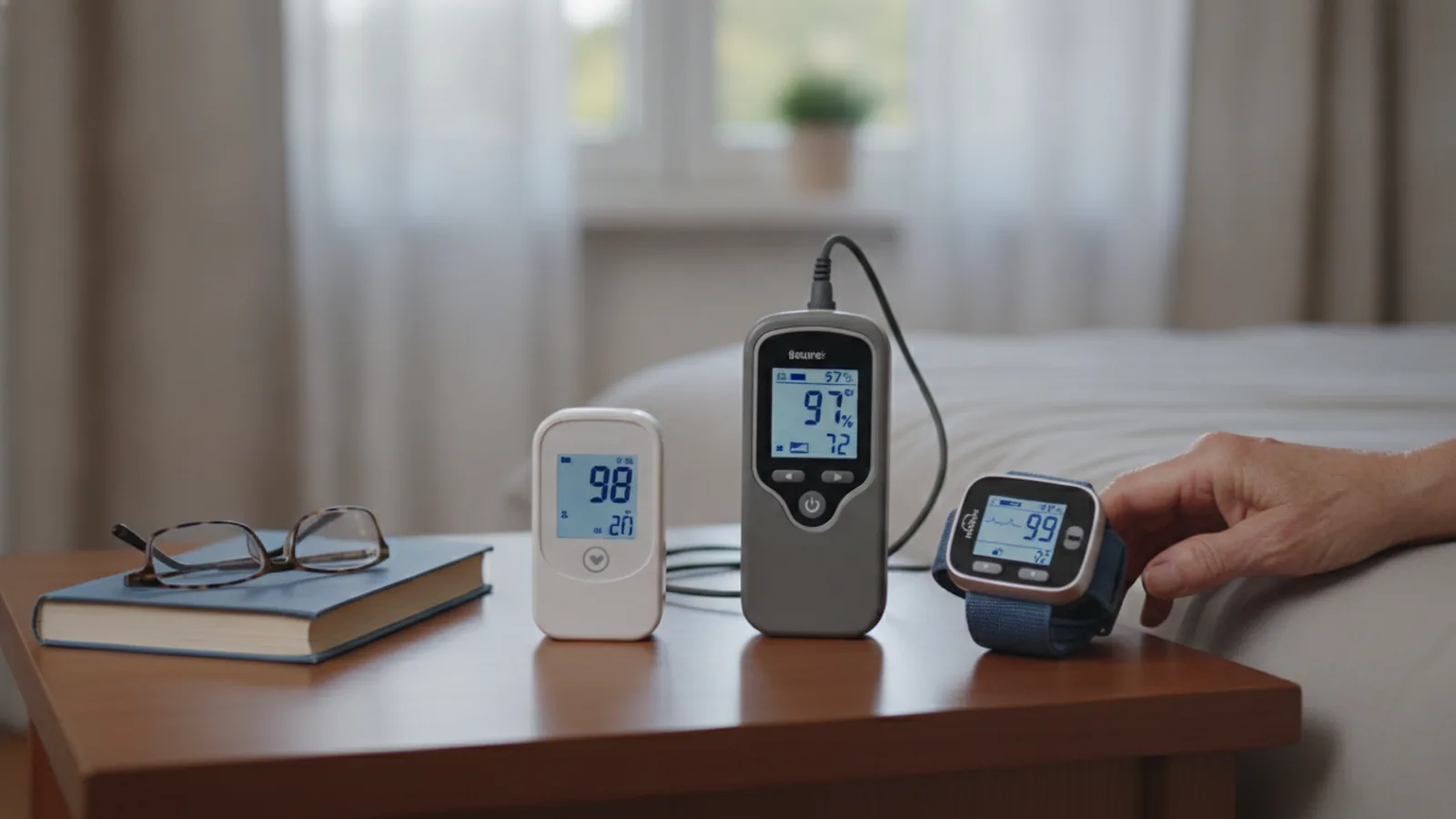
The Best Pulse Oximeters For The Elderly
Buying Guide: How to Choose a Pulse Oximeter for an Elderly Person
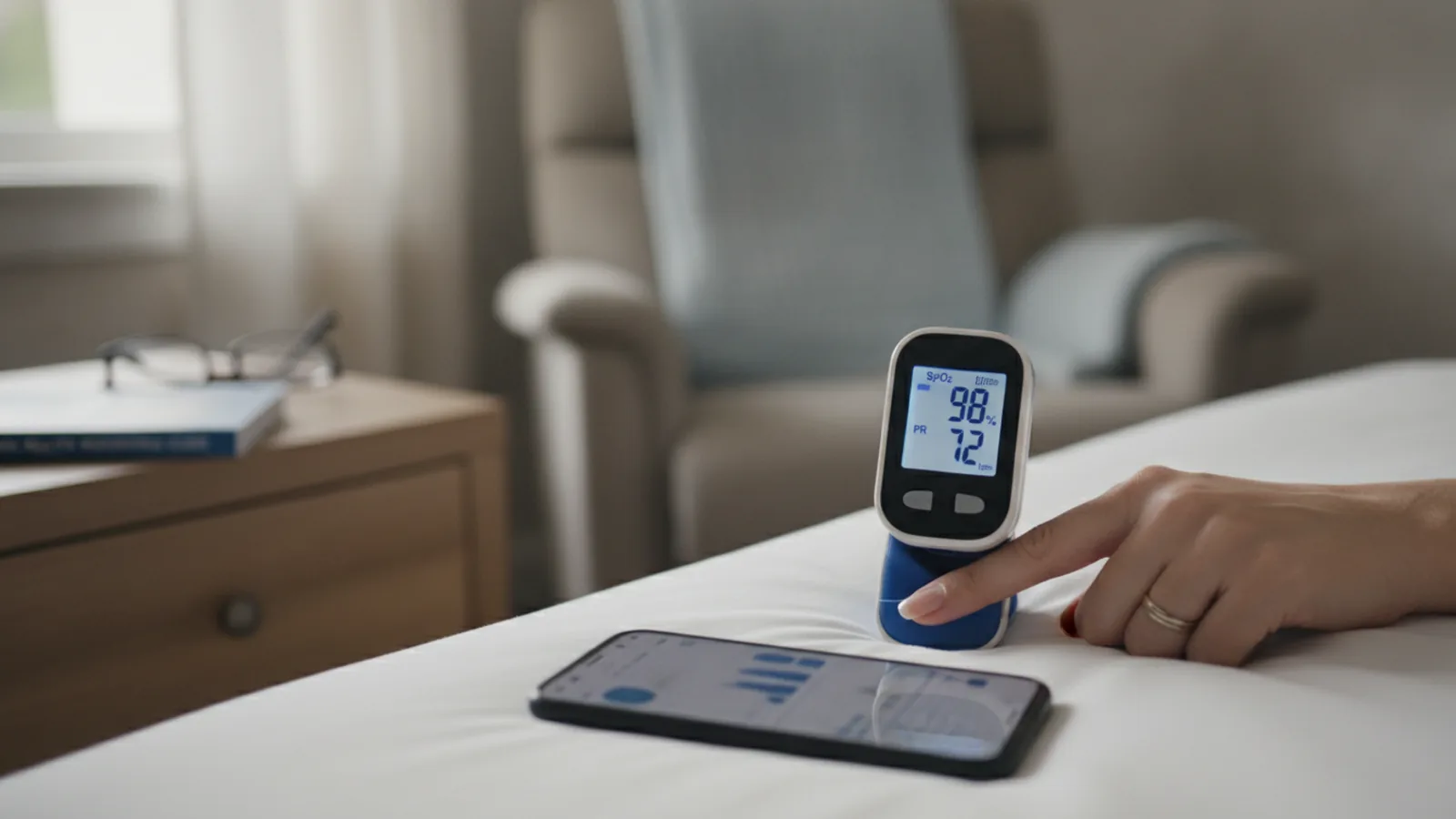
A pulse oximeter is a small, non-invasive device that clips onto a fingertip to measure blood oxygen saturation (SpO2) and pulse rate. For elderly individuals, especially those with chronic respiratory or cardiovascular conditions, it can be a useful tool for at-home monitoring. However, selecting the right device requires careful consideration of factors beyond just price.
Important Medical Disclaimer
The information in this guide and the products reviewed are for informational purposes only. A home pulse oximeter is a non-diagnostic device for spot-checking and monitoring trends. It is not a substitute for professional medical diagnosis or advice from a qualified healthcare provider. Never disregard or delay seeking medical advice based on a reading from a home device. Always consult your GP to understand what your readings mean and to establish a monitoring plan that is appropriate for your specific health needs.
Key Features for Elderly Users
When choosing a device for an older adult, prioritise simplicity, clarity, and reliability over complex features.
1. Accuracy and Medical Certification
This is the most critical factor. An inaccurate device is worse than no device at all. In the UK, look for pulse oximeters that are registered with the Medicines and Healthcare products Regulatory Agency (MHRA). This indicates the device meets certain standards for safety and performance as a medical device. While non-certified devices can still be functional, an MHRA-registered or CE-marked medical device provides a higher degree of confidence in the readings.
2. Display Clarity and Size
Vision can decline with age, making small, dimly lit screens difficult to read. Look for:
- Large Digits: The numbers for SpO2 and pulse rate should be large and clearly legible.
- Bright Screen: An OLED (Organic Light-Emitting Diode) display is typically brighter and has higher contrast than a standard LED screen, making it easier to read in various lighting conditions.
- Rotatable Display: A screen that can rotate at the press of a button is a highly useful feature. It allows the reading to be viewed easily by the user or by a caregiver from any angle without needing to twist the device or their wrist.
3. Ease of Operation
A complicated device can lead to frustration and incorrect use. The ideal oximeter for an elderly person should have:
- One-Button Control: The best models require only a single button press to turn on and take a reading. The device should power off automatically after a few seconds of inactivity.
- Simple Battery Compartment: Changing batteries should be a straightforward process without requiring tiny screwdrivers or excessive force. Most use standard AAA batteries.
4. Comfort and Fit
The device should be comfortable to wear, even for a few moments. A high-quality finger chamber will be made of soft, medical-grade silicone that gently holds the finger without pinching. It should accommodate a range of finger sizes. Poor fit can lead to inaccurate readings, especially in individuals with slender fingers or conditions like arthritis.
5. Audible Alarms
Some oximeters can be set to beep if the SpO2 or pulse rate falls outside of a pre-set range. This can be a useful feature for alerting the user or a caregiver to a reading that needs attention. However, it's essential that these alarms are configured in consultation with a GP to avoid unnecessary anxiety over normal fluctuations.
How to Ensure an Accurate Reading
The user's condition and environment can affect the oximeter's accuracy. Follow these steps for the most reliable results:
- Rest First: The person should be seated and resting for at least five minutes before taking a measurement.
- Ensure Warm Hands: Cold fingers can constrict blood vessels, leading to a poor reading. Warm the hands by rubbing them together if necessary.
- Remove Nail Varnish: Dark or metallic nail polish can interfere with the light sensor. It's best to use the oximeter on a clean, natural nail.
- Stay Still: The user should keep their hand and arm still during the measurement process. Movement can cause errors.
- Position Correctly: The finger should be inserted fully but comfortably into the device, with the nail facing the top side (where the light emitter usually is).
- Wait for a Stable Reading: Allow the device 10-30 seconds for the numbers on the screen to stabilise before recording the result.
If a reading is unexpectedly low, remain calm. Take the reading again on a different finger after a few minutes of rest. If it remains low or if the person is experiencing symptoms like shortness of breath or confusion, seek medical attention immediately.
Final Verdict: Best Pulse Oximeter For Elderly
For at-home, non-diagnostic monitoring of blood oxygen saturation in elderly individuals, the choice of a pulse oximeter should be guided by reliability and ease of use. After extensive research into the available options, our recommendation is clear.
The NHS-Certified ProActive P100 is our top pick for the best pulse oximeter for the elderly in 2026. Its status as an MHRA Registered medical device provides a critical foundation of trust in its accuracy. This, combined with its supremely simple one-button operation and clear, unambiguous display, makes it the ideal tool for users who need dependable information without technological complexity. It successfully removes potential barriers to use, ensuring that taking a reading is a quick, stress-free process.
While models like the ClearView OLED offer superior displays and the BioData Connect 500 provides advanced tracking, the ProActive P100 delivers perfectly on the core requirements for this user group. If you need a reliable, straightforward, and clinically-sound device for peace of mind and informational monitoring, the ProActive P100 is the most responsible choice.
Best Pulse Oximeter For Elderly 2026 FAQ
What is a normal SpO2 level for an elderly person?
For most healthy adults, including the elderly, a normal blood oxygen saturation (SpO2) level is typically between 95% and 100%. However, individuals with pre-existing lung or heart conditions may have a lower baseline "normal." It is absolutely essential to consult a GP to understand the target SpO2 range for your specific health situation. A home oximeter is for monitoring trends relative to your personal baseline, not for self-diagnosis.
What can cause an inaccurate oximeter reading?
Several factors can interfere with a pulse oximeter's accuracy. The most common include: cold hands or poor circulation, dark or metallic nail polish, artificial nails, excessive movement during the reading, and dirt or residue on the device's sensor. Ensure the user is warm, still, and using the device on a clean, natural fingernail for the best results.
Do I really need a medically certified (MHRA Registered) device?
For monitoring related to a health condition, we strongly recommend choosing a medically certified device. Registration with the MHRA (or a CE mark for medical devices) indicates that the manufacturer has submitted evidence that the device meets specific standards for accuracy and safety. While non-certified devices can be used for fitness or general interest, for health monitoring, the added assurance of a certified device is highly valuable for user confidence and the reliability of the data.
How often should an elderly person check their oxygen levels?
The frequency of monitoring should be determined by a healthcare professional. A GP or specialist will provide guidance based on the individual's health conditions and treatment plan. Some may recommend daily checks, while others may only suggest checking when symptoms like shortness of breath appear. Do not create your own monitoring schedule without medical advice.